Which Tool Is Most Commonly Used For Debris Removal? (Expert Guide)
When it comes to clearing out a messy space, one question comes up more than any other: which tool is most commonly used for debris removal? At Junk Junkies Texas, we tackle debris removal projects all over Spring, TX and the surrounding areas every single week. So we know the answer inside and out.
Whether you are cleaning up after a home renovation, clearing a storm-damaged yard, or emptying out a cluttered garage, the RIGHT tool makes all the difference. In this expert guide, we will walk you through the most common debris removal tools, how to pick the right one, and the safety tips you should never skip.
What Is the Most Commonly Used Tool for Debris Removal?
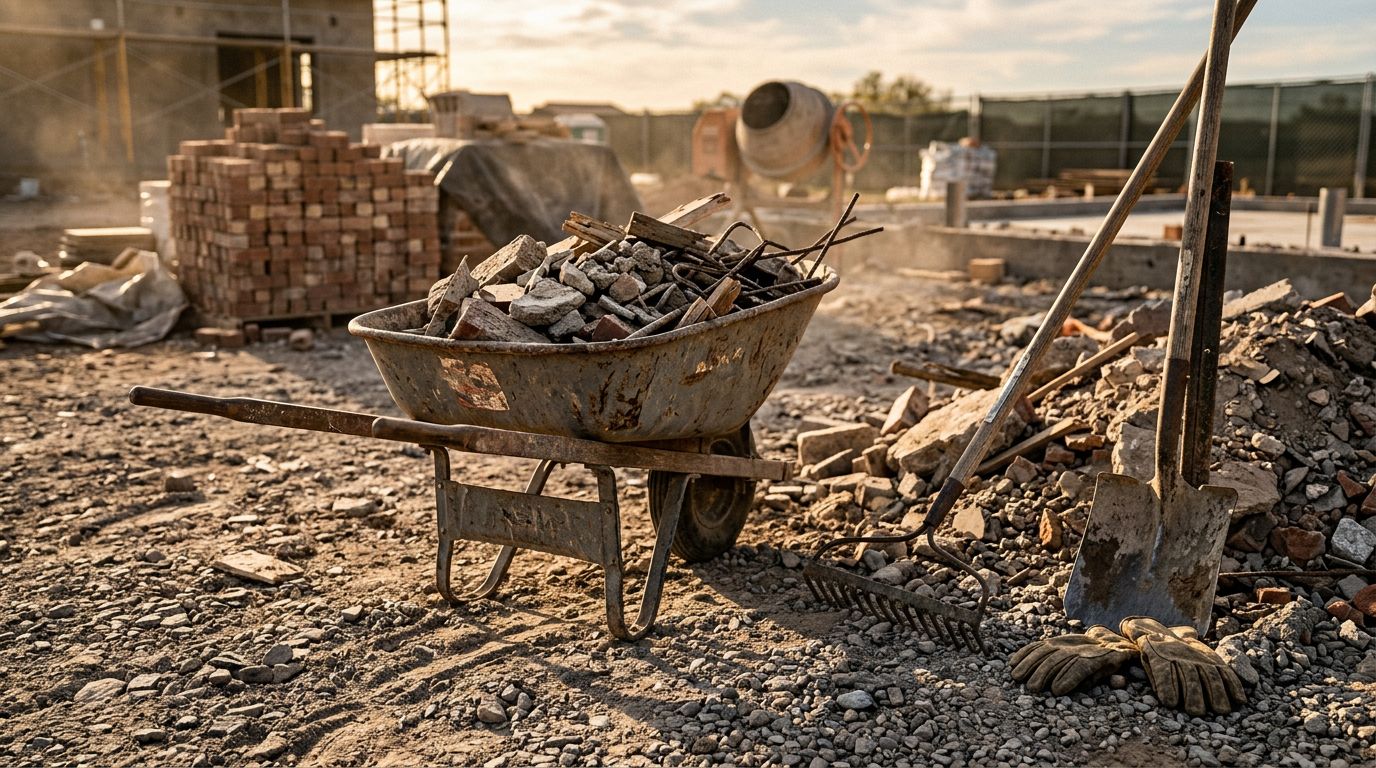
The most commonly used tool for debris removal is the humble WHEELBARROW. It shows up on nearly every job site, in every backyard cleanup, and in most home projects. Why? Because it is simple, affordable, and it moves heavy loads without wrecking your back. A wheelbarrow lets one person haul dirt, broken concrete, branches, and household junk with ease.
That said, no single tool does it all. Most debris removal jobs need a small kit of tools that work together. Here are the tools you will see most often on a debris removal project:
- Wheelbarrow – the go-to tool for moving heavy or bulky debris short distances.
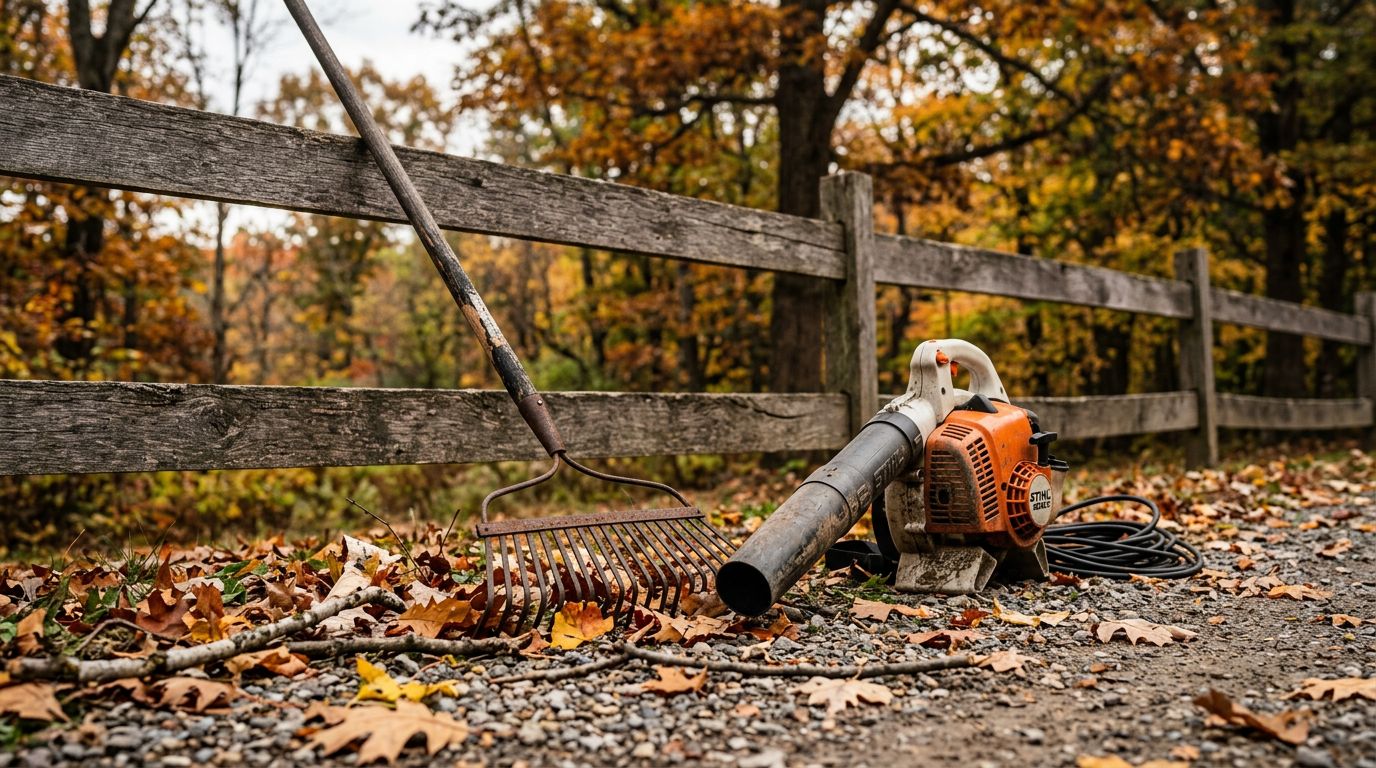
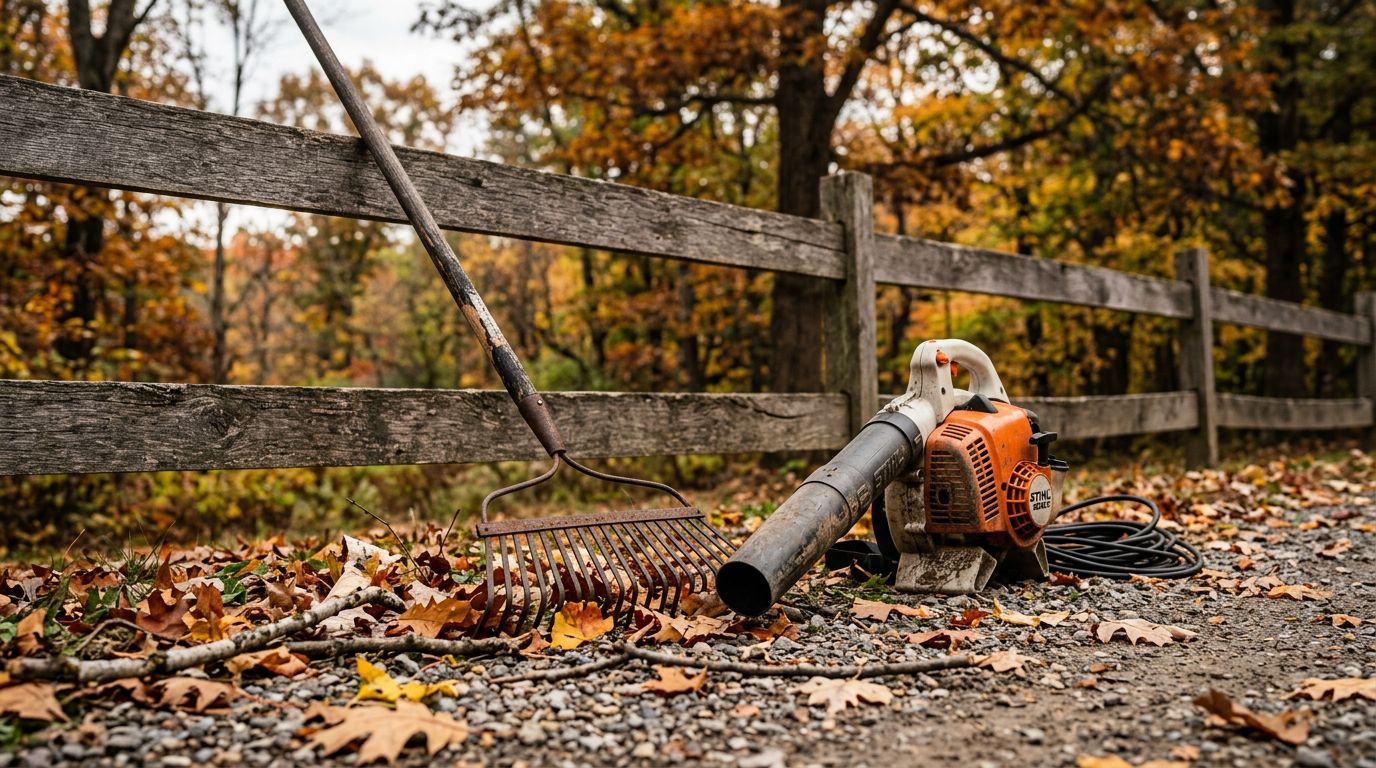
- Heavy-duty rake – great for gathering leaves, twigs, and loose yard waste.
- Shovel – perfect for scooping soil, gravel, and smaller debris piles.
- Contractor trash bags – thick bags that hold sharp or heavy junk without tearing.
- Work gloves – a must-have for protecting your hands from nails, glass, and splinters.
- Dumpster or dump trailer – the container that holds it all before hauling.
- Dolly or hand truck – moves heavy appliances and furniture with less strain.
Types of Debris Removal Tools and Their Uses
Not all debris is the same. Yard waste needs different tools than construction rubble. Here is a breakdown of the main tool types and where they shine.
Hand Tools
Hand tools are the backbone of any cleanup. Think rakes, shovels, pitchforks, and brooms. They are cheap, easy to use, and need no fuel or power. For most small to medium debris removal jobs, these tools do the heavy lifting. A good pitchfork is amazing for moving branches and brush. A flat shovel scrapes up loose material fast.
Wheeled Tools
Wheelbarrows, garden carts, and dollies fall into this group. They help you MOVE debris instead of just gathering it. A wheelbarrow can carry hundreds of pounds when balanced right. A hand truck rolls a heavy dresser or washing machine to the curb without a second worker.
Powered Tools
When jobs get big, powered tools save serious time. Leaf blowers clear yards in minutes. Chainsaws cut fallen trees into haulable pieces. Skid steers and mini-excavators scoop up piles of rubble on large sites. These tools cost more and need skill to run safely, but they multiply what one person can do.
Containers and Hauling Gear
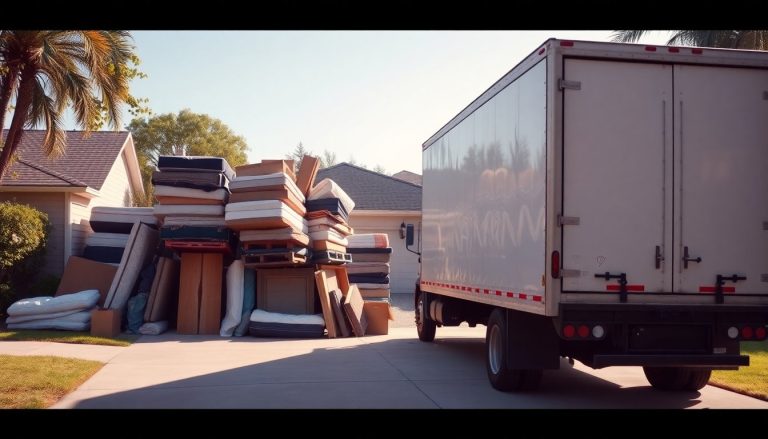
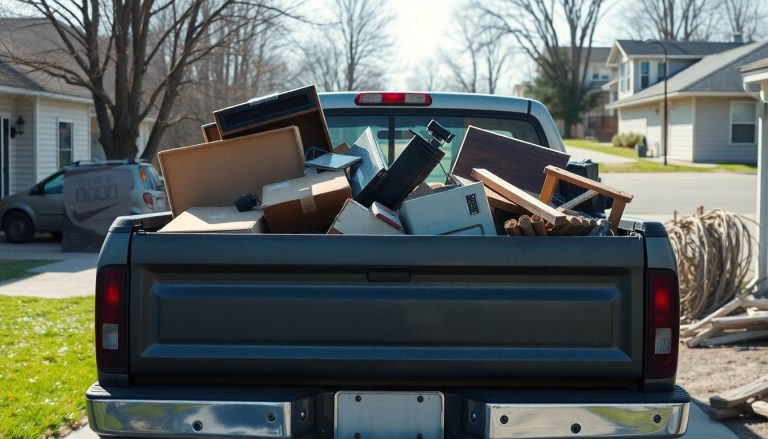
Once debris is gathered, you need somewhere to put it. Contractor bags, dumpsters, and dump trailers handle this part. For large loads, a dump trailer is the fastest way to clear a site. This is where a professional crew really helps. Our team brings the trucks and containers so you never have to worry about hauling anything yourself. Learn more about our full debris removal services and how we handle loads of any size.
How to Choose the Right Debris Removal Tool for Your Project
Picking the right tool starts with knowing your debris. Ask yourself what you are moving, how much of it there is, and how far it needs to go. A pile of leaves needs a rake and bags. A gutted kitchen needs a dolly, contractor bags, and a trailer. Match the tool to the task and the job goes smoother.
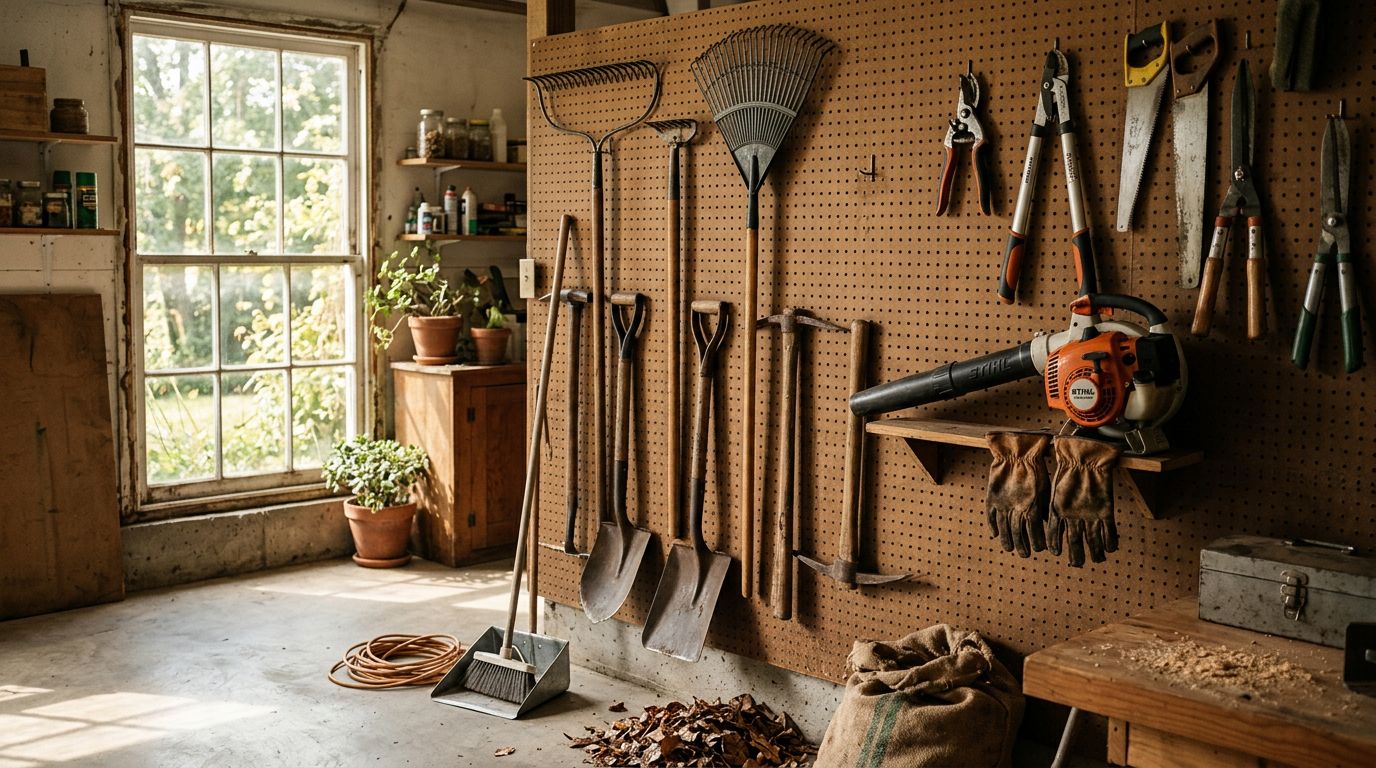
Follow these steps to choose the right debris removal tools every time:
- Identify the debris type. Yard waste, construction rubble, and household junk each call for different gear.
- Estimate the volume. A few bags worth is a hand-tool job. A full room or yard likely needs a dumpster or trailer.
- Measure the distance. If debris must travel far, a wheelbarrow or cart is a lifesaver.
- Check the weight. Heavy items like appliances need a dolly or extra hands, not just muscle.
- Think about access. Tight spaces limit large tools, so plan for narrow doorways and stairs.
- Factor in safety. Sharp or hazardous debris means heavy gloves and puncture-proof bags.
- Decide DIY or pro. Big loads and heavy lifting are often faster and safer with a professional crew.
When your project involves bulky items, the right hauling tools matter even more. Our furniture removal team uses dollies, straps, and moving blankets to clear couches and dressers without damaging your floors or walls.
Manual vs. Powered Debris Removal Tools: Which Is Better?
There is no single winner here. It depends on the job. Manual tools are cheap, quiet, and reliable for small tasks. Powered tools save time and effort on large jobs but cost more and need care to run safely. Most smart cleanups use a mix of both. Here is a side-by-side look to help you decide.
| Factor | Manual Tools | Powered Tools |
|---|---|---|
| Cost | Low and budget-friendly | Higher upfront or rental cost |
| Speed | Slower on big jobs | Much faster on large loads |
| Effort | Takes more physical work | Less strain on the body |
| Skill needed | Easy for anyone to use | Requires training and caution |
| Maintenance | Almost none | Fuel, oil, and upkeep needed |
| Best for | Small yards and light debris | Big sites and heavy debris |
For a weekend yard cleanup, manual tools are usually all you need. For a full property clear-out or a large renovation, powered tools and professional hauling pay for themselves in saved time.
Best Debris Removal Tools for Different Environments
The environment you work in changes which tools make sense. What works in a backyard may be useless inside a packed home. Here is what we recommend for each setting.
Residential Yards
For yards, rakes, leaf blowers, and wheelbarrows do most of the work. Add a chainsaw or loppers if you have fallen branches. Contractor bags handle the loose leaves and clippings. This gear clears the average Spring or Conroe yard in a single afternoon.
Construction and Renovation Sites
Job sites produce heavy, sharp debris like broken drywall, concrete, and lumber. Here you want a sturdy dump trailer, heavy shovels, and thick puncture-proof bags. A dolly helps move large pieces. Skid steers speed up the biggest jobs. Always wear steel-toe boots and cut-resistant gloves in these settings.
Cluttered Homes and Estates
Packed homes are a special challenge. Tight spaces and mountains of stuff call for dollies, hand trucks, and lots of bags. Careful sorting matters here too, since valuables can hide in the mess. These jobs often need a full crew and a plan. Our hoarder cleanout specialists handle these sensitive projects with the right tools and a respectful, judgment-free approach.
Commercial Properties
Offices, retail spaces, and warehouses often have furniture, fixtures, and old equipment to clear. Dollies, pallet jacks, and dump trailers get the job done. Speed matters here since downtime costs money. A professional crew keeps commercial cleanups fast and out of the way of business.
Safety Tips and Common Mistakes When Using Debris Removal Tools
Debris removal can hurt you fast if you are careless. Sharp edges, heavy loads, and awkward lifting cause most injuries. A few simple habits keep you safe. The biggest mistake people make is rushing. Slow down, lift with your legs, and never overload your tools. Here are the tips and mistakes to keep in mind.
- Wear proper gear. Gloves, closed-toe boots, and eye protection are non-negotiable.
- Lift with your legs. Bend your knees and keep your back straight to avoid strain.
- Do not overfill. An overloaded wheelbarrow or bag tips and spills, or worse, tears open.
- Watch for hidden hazards. Nails, glass, and chemicals hide in debris piles.
- Use the right tool. Forcing the wrong tool leads to breakage and injury.
- Keep a clear path. Trips and falls happen when the route is cluttered.
- Ask for help with heavy items. Never lift a fridge or couch alone.
- Dispose responsibly. Some debris cannot go in a regular dumpster, so know the rules.
The most common mistake we see is people trying to do too much alone. Overworking yourself leads to injuries and half-finished jobs. When a project feels too big, calling in a pro crew is the safest and smartest move.
Conclusion
So which tool is most commonly used for debris removal? The wheelbarrow takes the top spot, but the truth is that most jobs need a small kit of tools working together. Match your tools to the debris type, the volume, and the environment. Mix manual and powered tools for the best results. And always put safety first by wearing gear, lifting smart, and knowing your limits.
If your cleanup feels bigger than a few bags and a wheelbarrow, let the experts handle it. At Junk Junkies Texas, we bring the tools, the trucks, and the muscle to clear any mess in Spring, Conroe, Cypress, The Woodlands, Tomball, Magnolia, Klein, and Northside. Reach out today and let us make your space clean again.