How Long Does A Moving Company Have To Deliver Legally? (2026 Guide)
When you hand your belongings over to a moving company, one big question keeps popping into your head: how long does a moving company have to deliver legally? It feels like your entire life is packed into a truck somewhere out there, and you just want to know WHEN it will show up at your new door. The rules can feel confusing, especially when local and long-distance moves follow different guidelines.
At Junk Junkies Texas in Spring, we help folks across the Houston area with moving, junk removal, and everything in between. We know that timing matters. So we put together this 2026 guide to break down the legal delivery timeframes, your rights, and how to avoid delays. Let’s dig in.
What Are the Legal Delivery Timeframes for Moving Companies?
Here is the honest truth. There is no single national law that says a mover MUST deliver your stuff within an exact number of days. Instead, the rules depend on the type of move, the contract you signed, and state or federal regulations. For interstate moves, the Federal Motor Carrier Safety Administration (FMCSA) sets the standards. For moves inside Texas, state rules and your agreement with the company control the timeline.
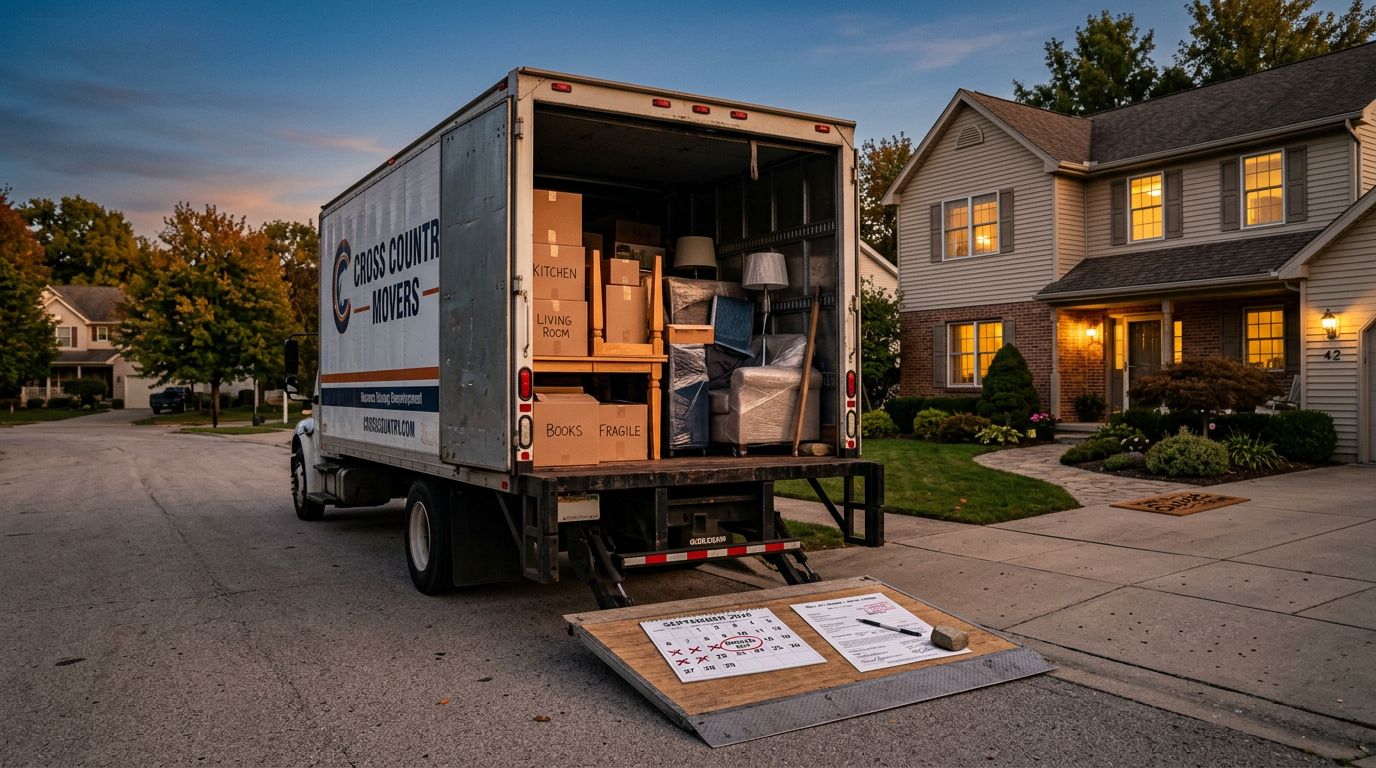
Most moving companies work off something called a “delivery window” or “delivery spread.” This is a range of days when your items are expected to arrive. The mover is legally required to make a good-faith effort to deliver within that agreed window. If they blow past it without a solid reason, you may have grounds for a claim.
- Written estimate: Your delivery window should be listed in the bill of lading or order for service.
- Reasonable dispatch: Interstate movers must operate under a rule that requires timely and reasonable delivery.
- Agreed delivery dates: Some contracts lock in specific dates. Miss those and the company may owe you compensation.
- Storage delays: If your goods sit in storage at your request, the clock changes.
- State variations: Texas intrastate moves follow Texas Department of Motor Vehicles rules.
The takeaway? Read your paperwork carefully. The delivery timeframe you AGREE to is the timeframe that legally matters.
How Do Delivery Windows Differ Between Local and Long-Distance Moves?
The distance of your move changes everything about the timeline. A short hop across town is not the same as a haul across several states. Let’s break it down.
Local Moves
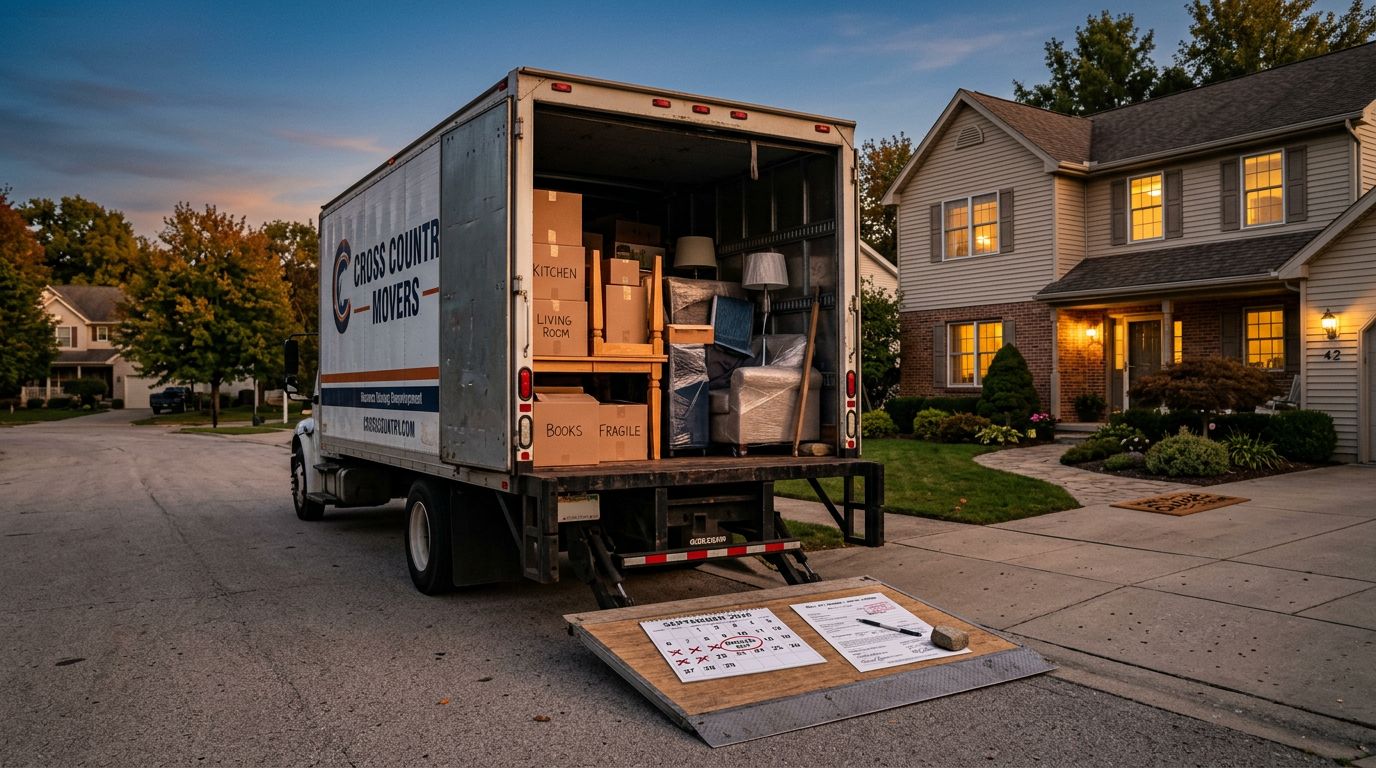
Local moves are usually completed in a single day. Since the crew loads, drives, and unloads within a short distance, there is rarely a multi-day gap. Most companies charge by the hour for these jobs, so speed benefits everyone. If you are planning a move within the Spring or Conroe area, our local moving company services are built for quick, same-day turnarounds so your stuff never sits overnight in a truck.
Long-Distance Moves
Long-distance and interstate moves are a different animal. These trips can involve multiple stops, driver rest breaks, and shared truck loads with other customers. Because of this, movers give you a delivery SPREAD instead of a single date. That spread might be anywhere from 2 to 14 days depending on the miles.
Why the Gap Matters
The bigger the distance, the wider the delivery window. A move from Texas to California will naturally have a longer spread than a move from Spring to The Woodlands. Federal rules give long-distance carriers more flexibility, but they still must act within reasonable dispatch. Understanding this helps you set realistic expectations before signing anything.
What Is a Reasonable Dispatch Period and How Is It Determined?
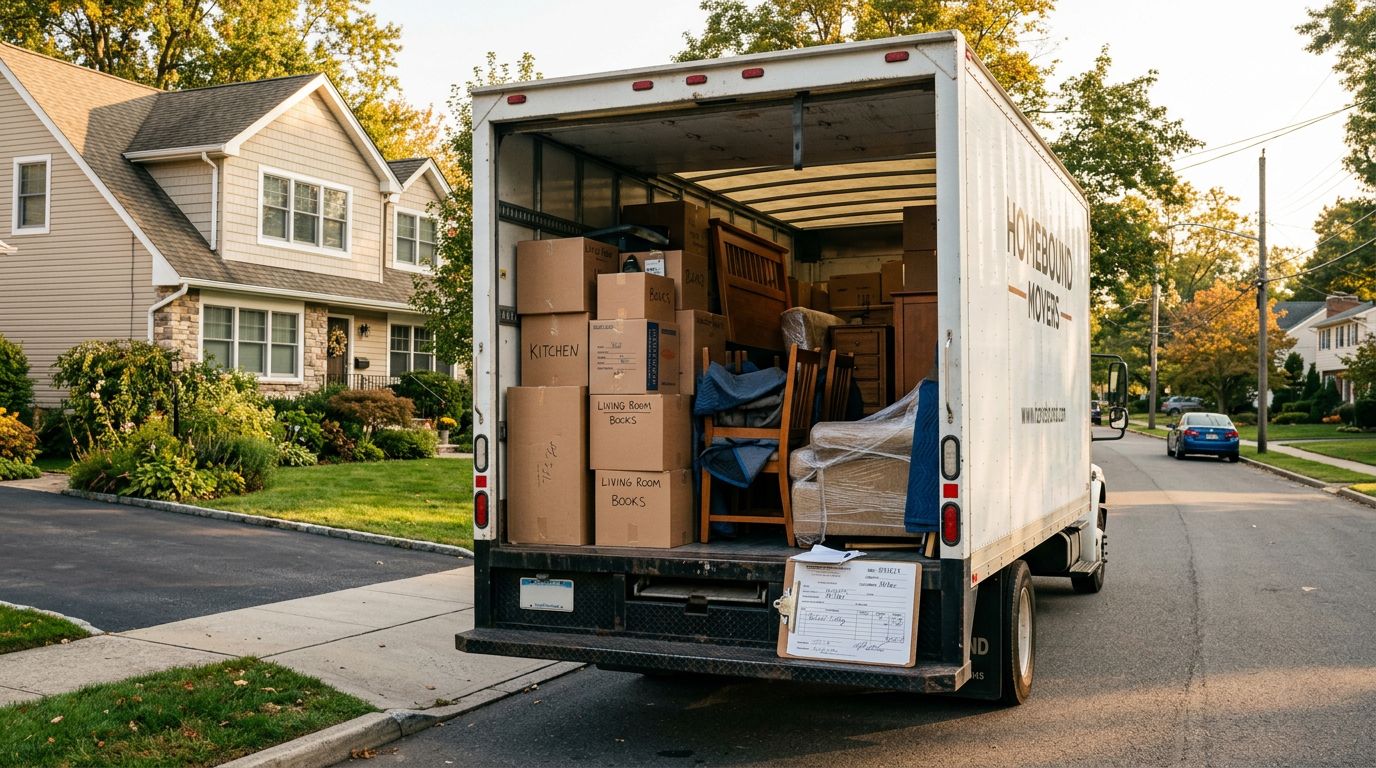
“Reasonable dispatch” is a legal term used in interstate moving. It basically means the mover must transport and deliver your goods within a reasonable amount of time based on the circumstances. It is not a random guess. Several factors go into calculating what counts as reasonable for YOUR specific move.
- Total mileage: More miles means more travel days. A cross-country move gets more time than a two-hour trip.
- Route and traffic: Weather, road closures, and construction can extend the window legally.
- Truck sharing: If your shipment rides with other customers, additional stops add days.
- Driver hours: Federal law limits how long a driver can be on the road each day for safety.
- Seasonal demand: Peak summer months bring heavier volume and possible delays.
- Access issues: Narrow streets, apartment restrictions, or gated communities can affect timing.
When you plan a big relocation, ask your mover to explain how they calculated your delivery spread. Companies that offer clear long-distance moving services will walk you through the estimate and the reasonable dispatch period so there are no surprises. Transparency is a great sign you are dealing with honest professionals.
What Are Your Rights If a Moving Company Delivers Late?
So the truck is late. Now what? Good news. You have real rights, especially for interstate moves regulated by the FMCSA. Here is what you should know.
Delay Claims
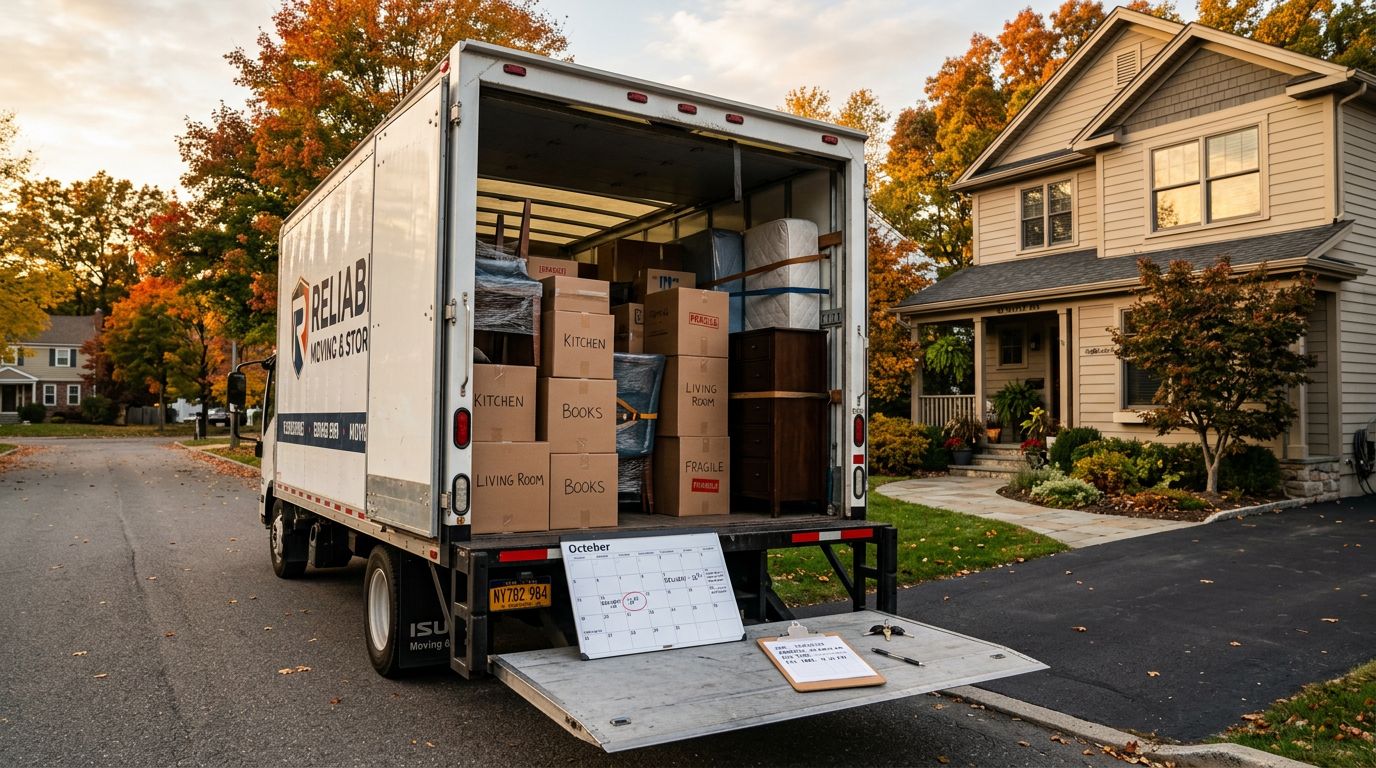
If a mover fails to deliver within the agreed dates, you may be able to file a delay claim. This can cover expenses you racked up while waiting, like hotel stays, meals, or temporary items you had to buy. Keep every receipt. Documentation is your best friend here.
Inconvenience or Per-Diem Payments
Some interstate carriers offer per-diem payments for each day your shipment is late beyond the agreed window. This is not automatic, so you have to request it and provide proof of the missed delivery dates from your paperwork.
Right to Information
You have the right to be informed about the status of your shipment. A mover should tell you where your goods are and give an updated arrival estimate. Silence is a red flag. Reputable companies keep you in the loop the whole way.
Protection Against Hostage Loads
It is ILLEGAL for a mover to hold your belongings hostage over a payment dispute beyond the agreed charges. If a company refuses to deliver unless you pay extra fees that were not in your contract, that is a serious violation you can report.
How to File a Complaint or Claim for Delayed Delivery
If talking to the company gets you nowhere, it is time to escalate. Filing a complaint is easier than most people think, and it puts pressure on the mover to make things right. Before you start, make sure you have your bill of lading, your estimate, and all your receipts ready to go. Understanding fair pricing helps too, so review a company’s transparent pricing details to spot when charges do not add up.
- Contact the mover in writing: Send a clear email or letter describing the delay and requesting resolution. Keep a copy.
- Request the claim form: Movers must provide a way to file a formal claim. Fill it out completely.
- Gather documentation: Attach your contract, delivery dates, photos, and expense receipts.
- File with the FMCSA: For interstate moves, submit a complaint through the National Consumer Complaint Database online.
- Contact state authorities: For Texas intrastate moves, reach out to the Texas Department of Motor Vehicles.
- Consider arbitration: Many moving contracts include an arbitration option for unresolved disputes.
- Keep detailed records: Log every phone call, email, and response with dates and names.
Staying organized makes your case stronger. The more proof you have, the faster the company will usually respond.
How Can You Avoid Delivery Delays When Hiring Movers?
The best way to deal with a late delivery is to prevent it in the first place. A little planning goes a LONG way. When you hire a mover, you are trusting them with your whole life, so choose carefully and communicate clearly from day one.
- Book early: Reserve your move weeks ahead, especially during summer and end-of-month rushes.
- Read the contract: Confirm your delivery window is written down before you sign anything.
- Ask about truck sharing: Find out if your shipment rides alone or with other loads.
- Get everything in writing: Verbal promises mean little. Written commitments protect you.
- Verify licensing: Check that the company is properly registered and insured.
- Declutter first: Fewer items means a faster load and unload. Toss what you do not need.
- Stay reachable: Keep your phone on so the driver can coordinate arrival with you.
- Prepare your new home: Clear pathways and secure parking to avoid unloading holdups.
Decluttering is one of the most overlooked tips. If you have old furniture, broken appliances, or piles of debris cluttering your space, get rid of them BEFORE the movers arrive. That is where our junk removal, mattress disposal, and furniture removal services come in handy. We serve Spring, Conroe, Cypress, Tomball, Magnolia, Klein, Northside, and The Woodlands, so a lighter, faster move is well within reach.
Conclusion
So how long does a moving company have to deliver legally? The answer depends on your contract, the distance, and the reasonable dispatch rule. Local moves usually finish in a day, while long-distance moves come with a wider delivery spread. If your mover runs late, you have the right to file claims, request compensation, and report violations to the proper authorities.
The smartest move is to plan ahead, read your paperwork, and clear out the clutter before moving day. At Junk Junkies Texas, we make relocations smoother with local and long-distance moving plus fast junk removal across the Spring area. Ready to lighten your load and move with confidence? Reach out to our team and let us handle the heavy lifting.