Furniture Removal And Donation (Complete Guide 2026)
Old furniture has a way of piling up. One day you’re upgrading your couch, the next you’ve got a bulky sectional taking up half the garage. If you’re staring down a room full of stuff you no longer need, furniture removal and donation is probably on your mind — and you’re not alone. Here at Junk Junkies Texas in Spring, we help folks all over the area clear out unwanted furniture every single day.
This complete 2026 guide walks you through your options, what it costs, where to donate, and how to prepare everything so the whole process goes smoothly. Whether you’re downsizing, moving, or just finally tackling that spare room, we’ve got you covered.
What Are Your Options for Furniture Removal and Donation
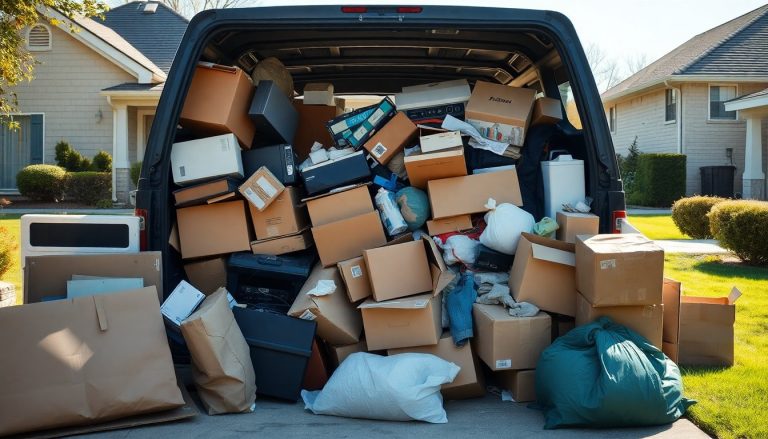
When it comes to getting rid of furniture, you’ve got more choices than you might think. The right one depends on the condition of your items, your budget, and how much heavy lifting you want to do (spoiler: probably not much). Some people prefer the convenience of a full-service haul-away, while others want to make sure their gently used pieces find a second home.
Let’s break down the main paths you can take. Our team offers professional furniture removal services in Spring, TX that cover most of these scenarios — but it’s worth knowing all your options before you decide.
- Professional junk removal — A crew comes out, does the lifting, and hauls everything away in one trip. Fast and hands-off.
- Donation to charity — Give usable furniture to a local nonprofit and help someone in need (bonus: possible tax deduction).
- Curbside bulk pickup — Some cities offer scheduled large-item collection, though rules and dates vary a LOT.
- Selling or giving away online — Marketplace listings and buy-nothing groups can work, but they take time and patience.
- DIY dump run — Rent a truck and haul it yourself (only if you enjoy sore backs and disposal fees).
- Recycling — Certain materials like metal frames or wood can be recycled instead of landfilled.
How Much Does Furniture Removal Cost in 2026
Cost is the big question everyone asks — and the honest answer is “it depends.” Pricing usually comes down to volume (how much space your stuff takes up in the truck), the type of items, and how tricky the removal is. A single recliner is a different job than clearing out an entire three-bedroom house. Here’s a closer look at the factors that shape your final price in 2026.
Volume-Based Pricing
Most junk removal companies charge by how much of the truck you fill. A quarter load costs less than a half load, and so on. This is the most common model — and it’s great because you only pay for the space you actually use. Small jobs stay affordable.
Single-Item Pickups
Just have one couch or dresser to lose? Single-item pricing is usually a flat fee. It’s the simplest option when you don’t need a full cleanout. Perfect for that ONE thing that’s been bugging you.
Labor and Accessibility
Furniture on the third floor with no elevator? Or a heavy armoire wedged in a tight hallway? Difficult access can add to the cost because it takes more time and muscle. Straightforward pickups (garage, ground floor) tend to be cheaper.
Disposal and Recycling Fees
Some items carry extra fees — mattresses, for example, often have special disposal requirements. Reputable companies fold these into your quote so there are no surprises. Always ask upfront.
Typical 2026 Price Ranges
| Job Size | What It Includes | Estimated Cost |
|---|---|---|
| Single item | One chair, dresser, or small table | $75 – $150 |
| Quarter truck | A couple of pieces (loveseat + chair) | $150 – $250 |
| Half truck | Living room set or bedroom set | $300 – $450 |
| Full truck | Multiple rooms of furniture | $500 – $800+ |
These are ballpark figures — your actual quote depends on your specific situation. But it gives you a solid starting point for budgeting.
Where Can You Donate Used Furniture
If your furniture is still in decent shape, donating is a wonderful option. It keeps usable items out of the landfill and helps families, veterans, and people rebuilding their lives. Here are some of the best places to consider — many serve the Spring and Greater Houston area.

Habitat for Humanity ReStore
ReStore locations accept furniture, appliances, and building materials. Proceeds fund home-building projects in the community. Many locations even offer free pickup for larger items — a huge convenience.
Goodwill
Goodwill takes gently used furniture and resells it to fund job training programs. Drop-offs are easy, and there are locations throughout the region. Just make sure items are clean and functional.
The Salvation Army
A classic choice. The Salvation Army accepts furniture donations and often provides pickup service. Your donation supports their rehabilitation and community programs.
Local Shelters and Nonprofits
Women’s shelters, veterans’ organizations, and refugee resettlement groups frequently need furniture to help people set up new homes. Call ahead — their needs change based on who they’re currently serving.
Furniture Banks
Texas has furniture banks specifically designed to provide beds, tables, and seating to families in need. These are ideal for larger donations and they know exactly where your items will go.
What Furniture Items Can and Cannot Be Donated
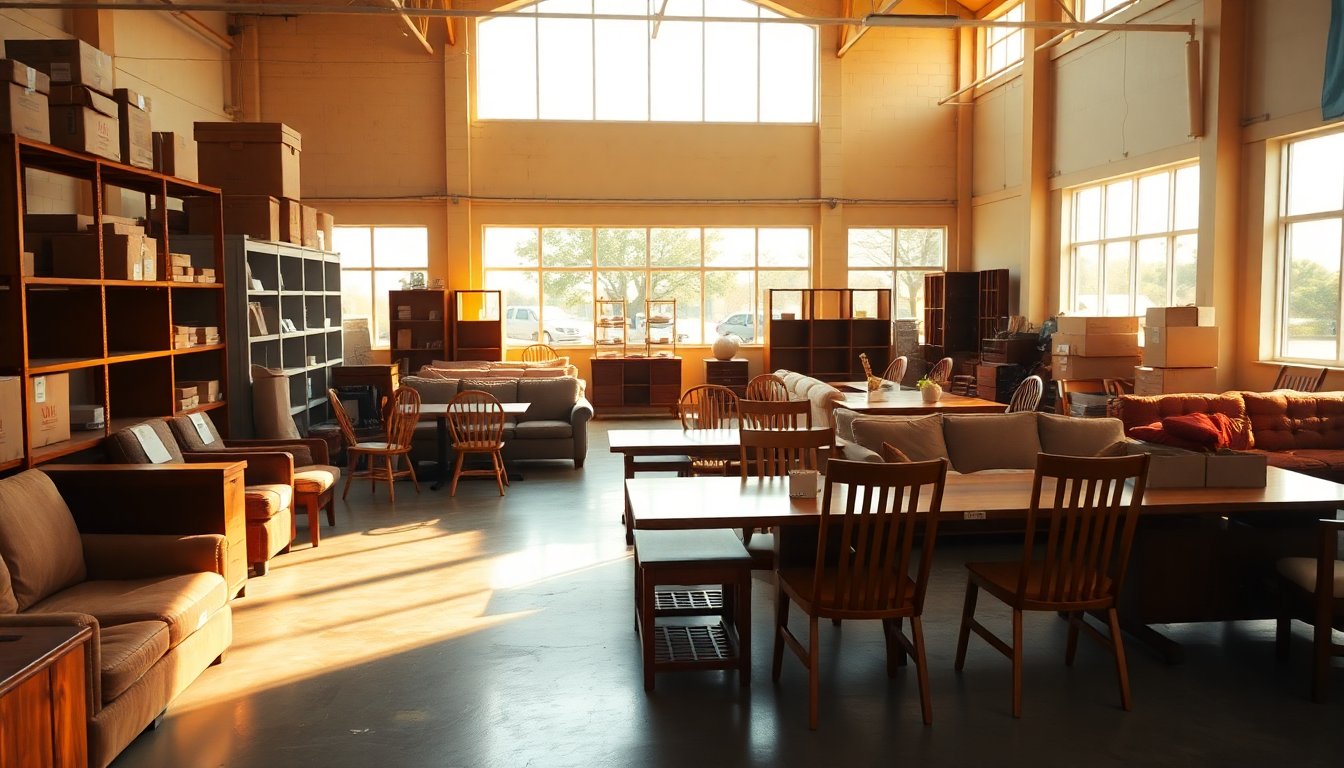
Not everything is donatable — and showing up with damaged goods just creates extra work for the charity (they often have to pay to dispose of it). Before you load up the car, know what most organizations will and won’t accept. When in doubt, a quick phone call saves everyone time. And if something’s too far gone to donate, our appliance removal team in Spring, TX can help haul away the pieces that need to go.
Here’s a general guide to keep in mind:
- USUALLY ACCEPTED: Sofas and loveseats in good condition, dressers, dining tables and chairs, bookshelves, desks, coffee tables, and clean mattresses (where allowed).
- SOMETIMES ACCEPTED: Recliners, entertainment centers, patio furniture — depends on the organization’s current needs and space.
- RARELY ACCEPTED: Anything torn, stained, water-damaged, or broken beyond repair.
- ALMOST NEVER ACCEPTED: Items with pet damage, strong odors, mold, or bed bug exposure (these are safety and health issues).
- CHECK FIRST: Mattresses and upholstered items — laws and policies vary by location and charity.
The golden rule? If you wouldn’t give it to a friend, a charity probably can’t use it either. Those pieces are better handled through professional disposal.
How to Prepare Your Furniture for Removal or Donation
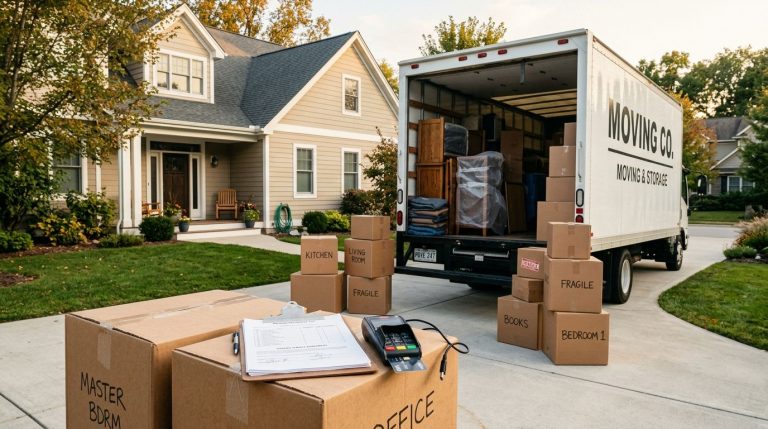
A little prep goes a long way. Whether the crew is hauling your stuff or a charity is picking it up, getting things ready makes the process faster and smoother. If you’re moving rather than just clearing out, our local moving company in Spring can handle transport and heavy lifting so you don’t have to. But for standard removal or donation, follow these steps.
- Empty everything out. Check drawers, cushions, and cabinets. You’d be amazed what people forget (keys, cash, that missing remote).
- Give it a quick clean. Wipe down surfaces and vacuum upholstery. Clean furniture is much more likely to be accepted for donation — and it’s just courteous.
- Take photos if donating. Snap pictures for your records, especially if you plan to claim a tax deduction later.
- Measure doorways and hallways. Make sure large pieces can actually get out. Note any tight spots for the removal crew.
- Disassemble if possible. Removing legs or breaking down bed frames saves time and prevents damage to walls and floors.
- Clear a path. Move small obstacles, rugs, and fragile decor out of the way so the crew can work safely and quickly.
- Group items together. Staging everything in one spot (like the garage or entryway) speeds up pickup significantly.
That’s it — five to ten minutes of prep can shave real time off the job and help everything go without a hitch.
Are There Tax Benefits for Donating Furniture
Yes — and it’s one of the best reasons to donate instead of toss. When you give furniture to a qualified nonprofit, you can typically claim the fair market value as a charitable deduction on your taxes. It’s a win-win: you clear space AND potentially lower your tax bill. That said, there are rules to follow, so keep good records.
- Donate to a qualified organization. The charity must be a registered 501(c)(3) for your donation to be deductible. Most well-known groups qualify.
- Get a receipt. Always ask for a written donation receipt listing the items and date. This is your proof if the IRS ever asks.
- Determine fair market value. You claim what the item would sell for used — not what you originally paid. Donation valuation guides can help.
- Document high-value donations. For items (or total donations) over $500, you’ll need to file additional paperwork (Form 8283).
- Take photos. Visual proof of condition supports your claimed value — especially for nicer pieces.
- Consult a tax pro. Rules change, and everyone’s situation is different. When in doubt, ask an accountant.
Even a modest furniture donation can add up over a year. Just stay organized and keep those receipts in one place.
Conclusion
Getting rid of old furniture doesn’t have to be a headache. You’ve got real options — from full-service removal to donating gently used pieces that could brighten someone else’s home. Understand the 2026 pricing, know what charities will accept, prep your items properly, and don’t forget those potential tax benefits along the way.
Whether you’re clearing one room or an entire house, Junk Junkies Texas is here to help folks across Spring, Conroe, Cypress, The Woodlands, Tomball, Magnolia, Klein, and Northside make it EASY. Ready to reclaim your space? Reach out to our team and let us handle the heavy lifting — so you don’t have to.