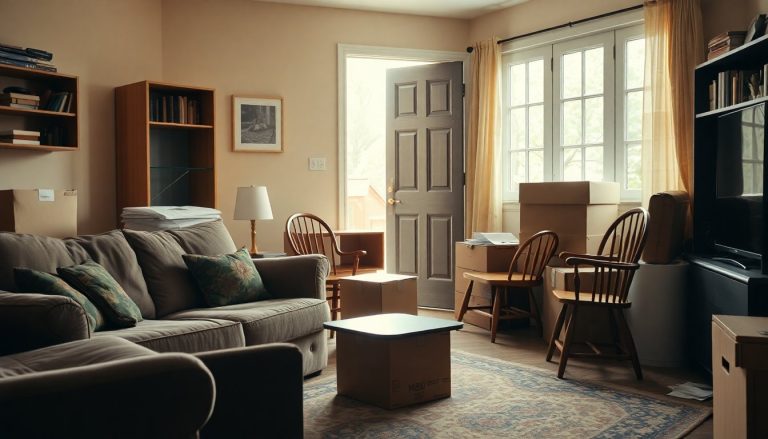
Hoarder Cleanout: Complete Professional Guide (2026)
Dealing with a hoarding situation can be overwhelming for families and property owners throughout Spring, Texas and surrounding areas. Professional hoarder cleanout services provide the expertise, compassion, and resources needed to restore homes and lives safely. We understand that every hoarding situation is unique—requiring specialized knowledge, proper equipment, and a sensitive approach to help individuals and families move forward.
Whether you’re dealing with a loved one’s hoarding disorder or managing an inherited property, the cleanup process involves much more than simply removing items. It requires careful planning, health and safety considerations, and often coordination with mental health professionals. The right cleanout company can make this challenging journey manageable and respectful for everyone involved.
What Is a Hoarder Cleanout and When Do You Need One
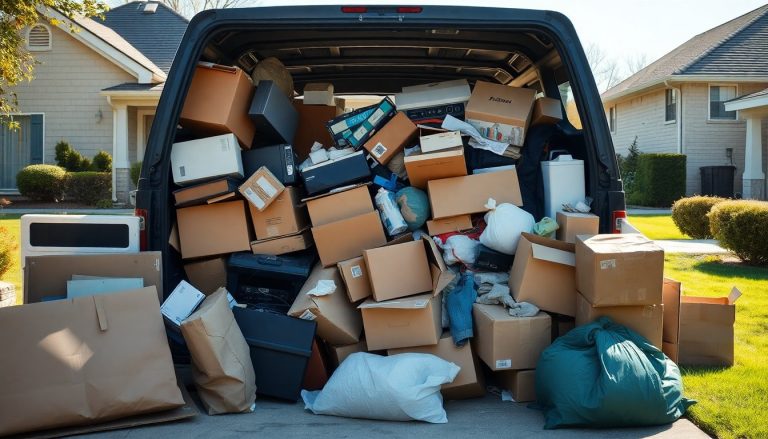
A hoarder cleanout is a comprehensive cleaning and decluttering service designed specifically for properties affected by hoarding disorder. Unlike standard junk removal, these cleanouts require specialized training, equipment, and protocols to handle the unique challenges present in hoarding situations. The process involves sorting through accumulated items, identifying valuables, removing debris, and often performing deep cleaning and sanitization. obsessive-compulsive disorder and related conditions
Hoarding cleanouts become necessary when living conditions become unsafe or unsanitary, but recognizing the right time can be challenging. Here are key situations that typically require professional intervention:
- Fire hazards from blocked exits, overloaded electrical outlets, or combustible materials near heat sources
- Health code violations that risk eviction, fines, or legal action from local authorities
- Structural damage from excessive weight, moisture, or pest infestations
- Medical emergencies where first responders cannot safely access the home
- Family crises such as hospitalization, death of a loved one, or court-ordered cleanups
- Preparation for property sales, estate settlements, or major renovations
- When basic utilities (plumbing, heating, electrical) become inaccessible or non-functional
- Severe pest or rodent infestations that pose health risks
- Adult Protective Services involvement or wellness checks
How Much Does Professional Hoarder Cleanout Cost
Factors That Affect Pricing

Hoarder cleanout costs vary significantly based on several key factors. The size of the property plays a major role—a one-bedroom apartment will cost considerably less than a multi-story home. The severity of the hoarding situation is equally important, as Level 4 and 5 hoarding cases (the most severe) require specialized equipment, additional safety measures, and more labor hours.
The amount and type of items being removed directly impact pricing. Heavy appliances, furniture, and hazardous materials require special handling and disposal methods. Properties with structural damage, biohazard contamination, or pest infestations need additional services that increase overall costs. Location accessibility also matters—homes with narrow driveways, multiple floors, or limited parking may require extra time and equipment.
Average Cost Ranges in Texas
In the Spring, Texas area, professional hoarder cleanouts typically range from $2,000 to $15,000 for most residential properties. Smaller apartments or condos with mild to moderate hoarding may cost between $2,000 and $5,000. Average-sized homes (2-3 bedrooms) with moderate hoarding usually fall in the $5,000 to $10,000 range.
Severe hoarding cases in larger homes can exceed $15,000, especially when biohazard remediation, structural repairs, or specialized disposal services are required. These estimates include labor, disposal fees, and basic cleaning—but NOT repairs, renovations, or ongoing maintenance services.
Additional Services and Fees
Several additional services may be necessary depending on the situation. Biohazard cleaning and sanitization typically add $500 to $3,000 to the total cost. Pest control services range from $200 to $1,500 depending on the severity of infestation. Deep cleaning and odor removal can add another $500 to $2,000.
Some companies charge extra for sorting and organizing personal items, estate sale preparation, or storage services. Rush jobs or after-hours work usually incur premium rates. Always request detailed estimates that break down all potential costs before beginning work.
How to Choose the Right Hoarder Cleanout Company
Selecting the right hoarder cleanout company is crucial for ensuring a safe, respectful, and thorough cleanup process. The best companies combine technical expertise with genuine compassion—understanding that hoarding disorder is a complex mental health condition that requires sensitivity and professionalism. Look for companies with specific experience in hoarding situations rather than general junk removal services. EPA guidelines for mold remediation
- Verify proper licensing and insurance coverage – Ensure the company carries general liability insurance, workers’ compensation, and any required local business licenses. Ask for proof of insurance and confirm coverage amounts meet your needs.
- Check experience with hoarding-specific situations – Look for companies that specialize in hoarding cleanouts and can provide references from similar projects. Ask about their training in hoarding disorder awareness and trauma-informed care.
- Evaluate their approach to safety and health protocols – Professional companies should have written safety procedures, proper personal protective equipment (PPE), and knowledge of biohazard handling when necessary.
- Review disposal and recycling practices – Choose companies that prioritize responsible disposal, donation of usable items, and recycling when possible. This approach is both environmentally conscious and cost-effective.
- Assess communication style and professionalism – The right company will communicate clearly, provide detailed written estimates, and demonstrate understanding and respect for the sensitive nature of hoarding situations.
- Compare pricing structure and transparency – Avoid companies that provide vague estimates or pressure you into immediate decisions. Professional companies offer detailed, written quotes with clear explanations of all charges.
- Confirm availability and scheduling flexibility – Hoarding cleanouts often need to accommodate therapy schedules, family availability, or urgent situations. Choose companies that can work with your timeline needs.
- Investigate additional services offered – Companies that provide comprehensive services (cleaning, organizing, minor repairs) can often complete projects more efficiently and cost-effectively than coordinating multiple contractors.
What to Expect During the Hoarder Cleanout Process
Initial Assessment and Planning

Professional hoarder cleanouts begin with a comprehensive on-site assessment. During this phase, experienced technicians evaluate the property’s condition, identify potential safety hazards, and develop a customized cleanup plan. This assessment includes documenting the hoarding level using standardized scales, identifying valuable or sentimental items, and noting any structural damage or health concerns.
The planning phase involves creating a detailed timeline, determining necessary equipment and personnel, and coordinating with other professionals when needed. This might include mental health counselors, social workers, or family members who want to participate in the process.
Sorting and Item Categorization
The sorting phase is often the most time-consuming part of the cleanout process. Professional teams work systematically through each area, categorizing items into keep, donate, recycle, and dispose groups. This process requires patience and attention to detail—important documents, family photos, and valuable items can be hidden among accumulated possessions.
Experienced cleanout professionals understand the emotional difficulty of this phase and work closely with clients or family members to make decisions about cherished belongings. They’re trained to recognize items of potential value and ensure nothing important is accidentally discarded.
Removal and Disposal
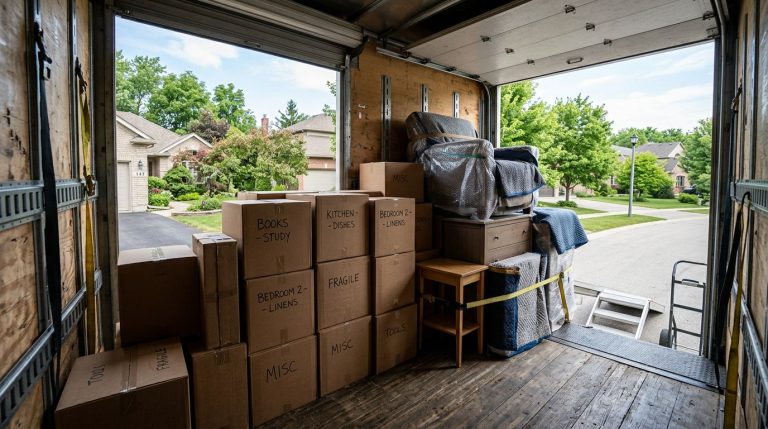
Once sorting is complete, the removal phase begins. Professional teams use appropriate equipment—dollies, protective coverings, and specialized containers—to safely remove items from the property. Heavy furniture and appliances require careful maneuvering to prevent property damage.
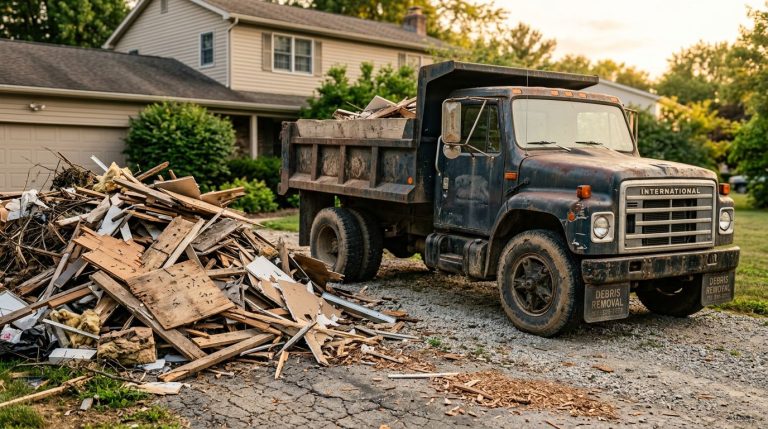
Responsible disposal is a hallmark of professional services. Usable items go to local charities, recyclable materials are processed appropriately, and hazardous waste is disposed of according to local regulations. This approach minimizes landfill impact while maximizing community benefit.
Cleaning and Sanitization
After item removal, thorough cleaning begins. This often involves deep cleaning of surfaces, floors, walls, and fixtures that may have been inaccessible for years. Professional cleaning may include odor removal, sanitization, and treatment for pest infestations.
The extent of cleaning depends on the property’s condition and client needs. Some situations require only basic cleaning, while others need comprehensive sanitization and restoration services.
Safety Hazards and Health Risks in Hoarding Situations
Hoarding environments present numerous safety and health risks that make professional intervention essential. These hazards can be life-threatening for both occupants and untrained cleanup crews. Understanding these risks helps explain why DIY cleanouts are rarely advisable and why professional services invest heavily in safety training and equipment. OSHA personal protective equipment standards
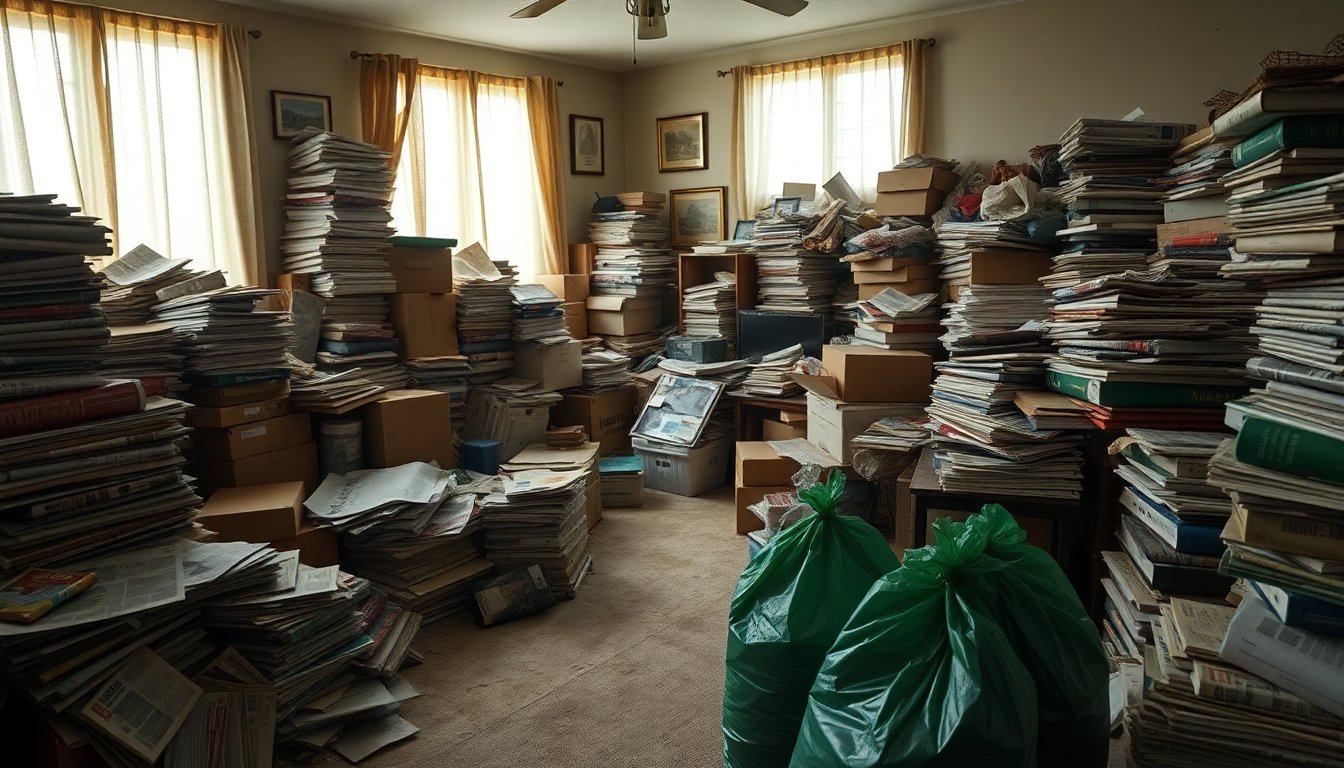
The accumulation of items creates unstable structures that can collapse without warning, causing serious injuries. Poor air quality from dust, mold, and chemical off-gassing can trigger respiratory problems or allergic reactions. Here are the primary safety and health concerns found in hoarding situations:
- Fire hazards from blocked exits, overloaded electrical systems, and combustible materials stored near heat sources
- Structural instability caused by excessive weight loads that can damage floors, walls, and foundations
- Pest infestations including rodents, insects, and potentially dangerous wildlife seeking shelter in cluttered spaces
- Mold growth and poor air quality resulting from moisture buildup, inadequate ventilation, and organic matter decomposition
- Trip and fall hazards from blocked walkways, unstable item piles, and hidden obstacles on floors
- Biohazard contamination from human or animal waste, expired food, and decomposing organic materials
- Chemical exposure from cleaning products, medications, paints, and other household chemicals that may have leaked or mixed
- Sharp objects and broken items hidden within accumulated possessions that can cause cuts and puncture wounds
- Carbon monoxide risks from blocked vents, malfunctioning appliances, or improper storage of fuel-powered equipment
- Psychological trauma for family members and occupants during the cleanup process
How Long Does a Hoarder Cleanout Take to Complete
The duration of a hoarder cleanout varies dramatically based on multiple factors including property size, hoarding severity, and the level of sorting required. While some clients hope for quick solutions, rushing the process often leads to mistakes, safety issues, or emotional trauma for those involved. Professional companies balance efficiency with thoroughness to ensure the best possible outcome.
Most residential hoarder cleanouts take between 1-5 days for the physical removal portion, but the entire process—including assessment, planning, and final cleaning—typically spans 1-3 weeks. Complex cases involving multiple properties, legal issues, or extensive damage may require several months to complete fully.
Small Properties and Mild Hoarding (Level 1-2)
Apartments, condos, and small homes with mild to moderate hoarding can often be cleaned out in 1-3 days. These situations typically involve cluttered living spaces but maintain basic functionality in kitchens and bathrooms. Safety hazards are minimal, and structural damage is rare.
The sorting process moves relatively quickly since pathways remain accessible and items are generally organized to some degree. Most belongings can be easily categorized, and disposal is straightforward.
Medium Properties and Moderate Hoarding (Level 3)
Average-sized homes with moderate hoarding usually require 3-5 days for complete cleanout. These properties often have blocked rooms, limited access to utilities, and some safety concerns. The sorting process becomes more complex as valuable items may be buried deeper within accumulated possessions.
Additional time is needed for careful navigation through cluttered spaces and systematic sorting of mixed materials. Some areas may require structural assessment before cleanup can proceed safely.
Large Properties and Severe Hoarding (Level 4-5)
Severe hoarding situations in large homes can take 1-2 weeks or longer to complete. These properties often have structural damage, health hazards, and require specialized equipment and techniques. Multiple rooms may be completely inaccessible, and extensive sorting is necessary to identify important documents and valuables.
Biohazard remediation, pest control, and deep cleaning add significant time to the project. Coordination with other professionals—contractors, mental health counselors, social services—may extend the timeline further.
Conclusion
Professional hoarder cleanout services provide essential support for families and individuals dealing with hoarding situations throughout Spring, The Woodlands, Tomball, Klein, Magnolia, Conroe, Northside, and Cypress. The process requires specialized expertise, proper safety protocols, and a compassionate approach that respects the complex nature of hoarding disorder.
Success depends on choosing the right company—one with experience, proper licensing, and a commitment to safety and professionalism. While costs vary based on property size and hoarding severity, professional services ultimately provide better outcomes than DIY attempts while protecting everyone’s health and safety. If you’re facing a hoarding cleanout situation, don’t wait until safety becomes a critical concern—professional help can restore both properties and peace of mind for families throughout the greater Houston area.